


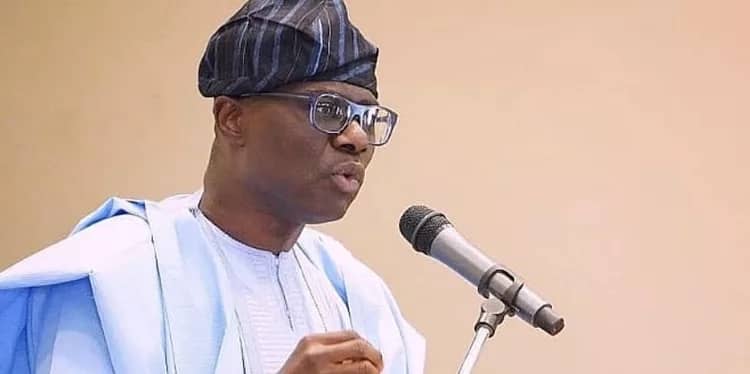
The Lagos State Government has declared Wednesday, August 20, 2025, as a work-free day for public servants across the state to mark the annual Isese Day celebration.
The declaration was made by Governor Babajide Olusola Sanwo-Olu as part of the state government’s efforts to promote and preserve indigenous culture, traditions and the cultural heritage of Lagos.
The announcement was contained in a circular signed by the Head of Service, Bode Agoro, and addressed to government officials across ministries, departments, agencies, local councils and other government establishments.
According to the circular, the work-free day is intended to enable public servants to participate in activities marking the annual Isese celebration, which is dedicated to the preservation and promotion of Yoruba cultural and traditional heritage.
The state government reaffirmed its commitment to supporting indigenous cultural practices and traditional institutions, noting that the celebration provides an opportunity to recognise and promote the cultural identity of the people.
The circular stated that the decision was also in line with the administration’s policy of preserving the state’s rich cultural heritage while providing appropriate support for traditional institutions.
However, the holiday is limited to the designated day, as government offices are expected to reopen on Thursday, August 21, 2025.
The Head of Service directed all accounting officers across the state’s ministries, agencies and government establishments to ensure that the contents of the circular were communicated to their personnel and appropriately implemented.
Isese Day is an annual celebration associated with Yoruba indigenous culture and spirituality. It provides an avenue for practitioners and cultural stakeholders to celebrate their traditions, promote indigenous values and preserve aspects of Yoruba heritage for future generations.
The Lagos State Government’s declaration therefore highlights its continued recognition of the importance of indigenous culture and the role of traditional institutions in preserving the historical and cultural identity of the state.