


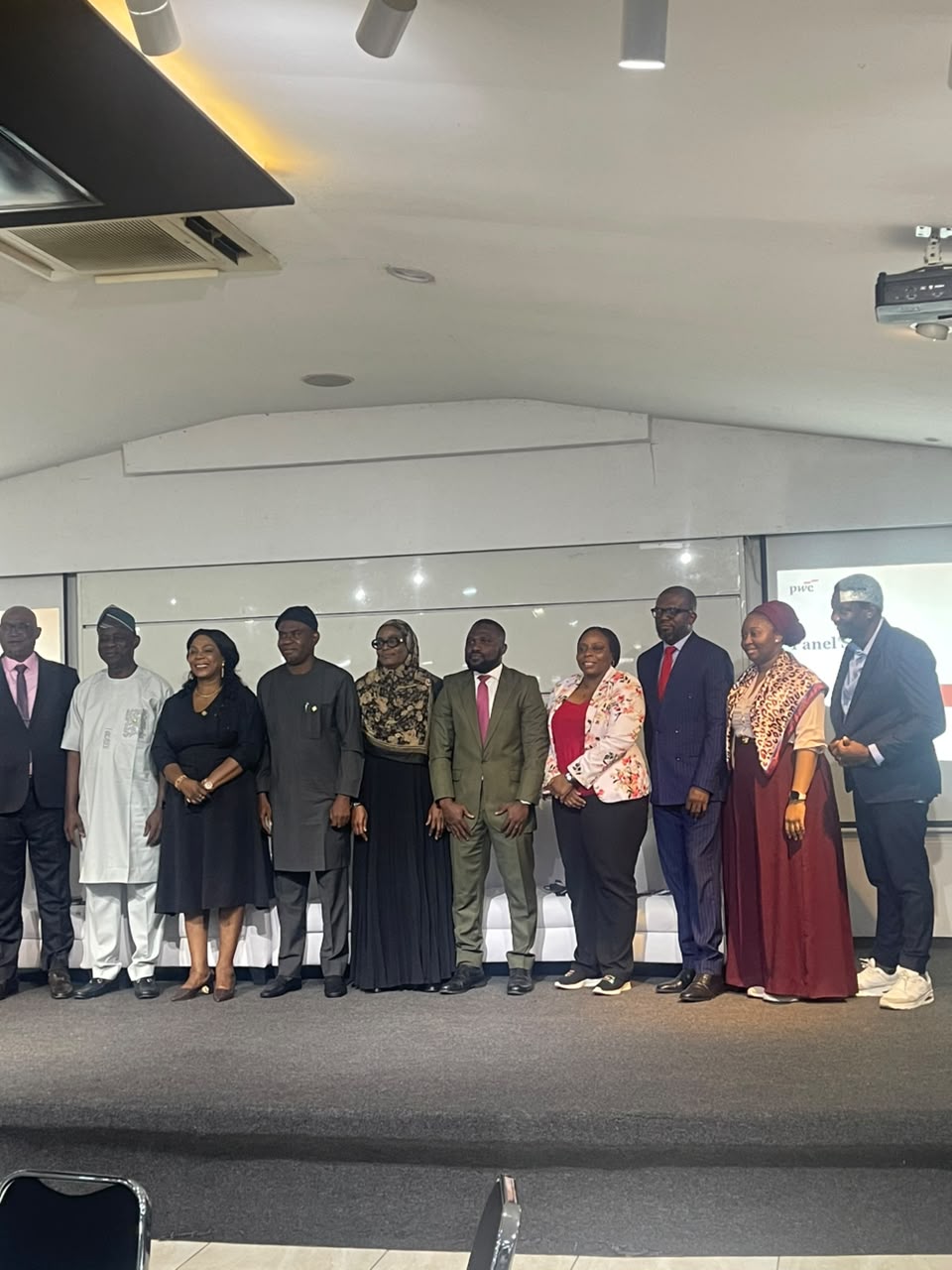
The Lagos State Government, through the Ministry of Establishments and Training, has commenced a two-day training programme aimed at strengthening the capacity of public servants on the strategic implications of the newly enacted Nigerian Tax Laws.
The training, organised in collaboration with PricewaterhouseCoopers (PwC), is being held at Workforce Group, The Zone, Plot 9, Gbagada, Oworonshoki, Lagos, bringing together public sector leaders, tax professionals and senior officials from Ministries, Departments and Agencies (MDAs).
Delivering the keynote address, the Honourable Commissioner for the Ministry of Establishments and Training, Mr. Afolabi Ayantayo, highlighted the importance of continuous capacity development in preparing the public service for the evolving tax landscape. He noted that the recent tax reforms present significant opportunities to strengthen governance, improve tax administration and enhance revenue generation through a knowledgeable and well-equipped public workforce.
According to the Commissioner, the training is designed to provide participants with practical knowledge of the new Nigerian Tax Laws, deepen their understanding of the reforms and equip them with the skills required to effectively implement the provisions across the public sector.
The programme also featured an engaging panel session with leading tax experts and senior government officials, including the Special Adviser to the Governor on Taxation and Revenue Generation, Mr. Kabir Ogungbo, who shared valuable insights on the implementation of the new tax laws, strategies for improving internally generated revenue, and the role of public institutions in promoting tax compliance and supporting sustainable fiscal reforms.
Participants took part in technical presentations, interactive discussions and practical case studies focused on the implications of the new tax laws, emerging trends in tax administration and innovative approaches to enhancing efficiency in public service delivery.
The Lagos State Government reaffirmed its commitment to continuous capacity development, strategic partnerships and institutional excellence, noting that investing in the knowledge and skills of public servants remains critical to delivering effective governance and sustaining the State’s economic growth agenda