


The Lagos State Government has introduced a new industrial policy designed to strengthen manufacturing, attract investment and create more employment opportunities, with the state projecting that the sector could account for 10.2 per cent of its real Gross Domestic Product by 2026.
The Lagos State Industrial Policy 2025–2030 was presented during the 59th Annual General Meeting of the Manufacturers’ Association of Nigeria, Ikeja Branch, held at the Radisson Blu Hotel in Ikeja.
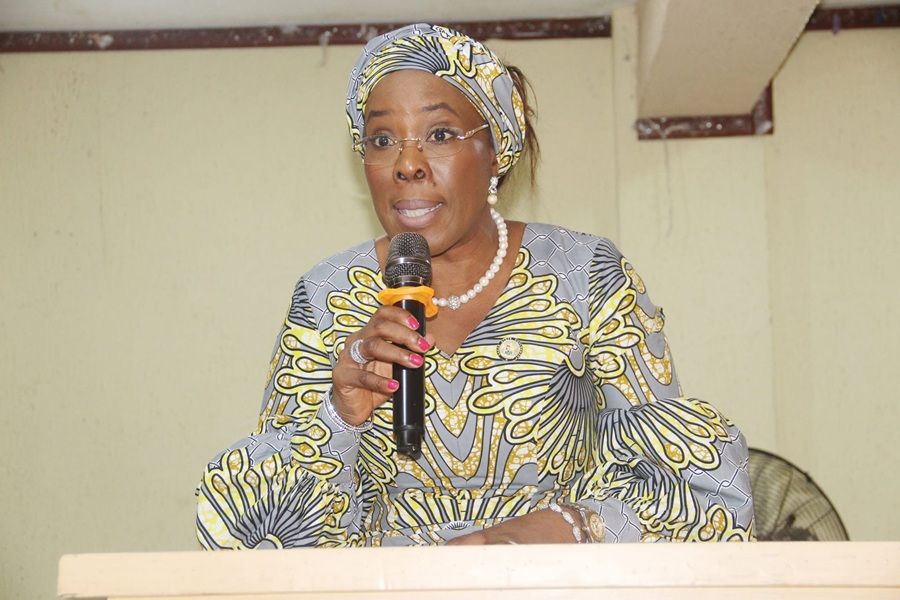
Speaking at the event, the Commissioner for Commerce, Cooperatives, Trade and Investment, Folashade Bada Ambrose-Medebem, said the policy was developed to provide a long-term direction for industrial development in Lagos. She was represented at the meeting by the Director of the Commerce Department, Segun Alogba.
According to the commissioner, the policy is centred on six major areas, including strengthening the state’s industrial base, improving the business environment, supporting micro, small and medium-sized enterprises, expanding infrastructure, developing skills and encouraging innovation alongside sustainable industrial practices.
She explained that the success of the policy would depend largely on effective implementation rather than the document itself. The government, she said, plans to introduce reforms aimed at reducing bureaucratic delays and making it easier for businesses to establish, operate and expand within the state.
The policy also provides for the expansion of industrial clusters in areas such as Ikeja, Apapa, Ilupeju and the Lekki Free Zone corridor. These locations are expected to benefit from measures aimed at improving industrial activity and attracting new investments.
Lagos is also planning to strengthen access to finance for small businesses through initiatives such as the Lagos Industrial Development Fund and the LASMECO partnership with the Bank of Industry. The programmes are expected to provide qualifying businesses with affordable credit to support expansion and productivity.
Another component of the policy is the Lagos State Export Readiness Programme, which is designed to help eligible businesses improve their operations and become capable of accessing international markets, including opportunities created by the African Continental Free Trade Area.
The government said the policy was being introduced against the backdrop of improving manufacturing performance. Nigeria’s manufacturing sector recorded a 3.29 per cent year-on-year growth in the first quarter of 2026, while its contribution to real GDP stood at 9.57 per cent. Projections by the Manufacturers’ Association of Nigeria indicate that continued growth could raise the sector’s contribution to 10.2 per cent.
Also speaking at the event, the Secretary to the State Governor, Abimbola Hundeyin-Salu, represented by the Director of Public Affairs, Ojelabi Olumuyiwa, said the government would measure the success of its industrial policies by their impact on businesses and residents.
She identified high production expenses, energy challenges, limited access to finance and regulatory difficulties as some of the major issues affecting manufacturers. She added that the state would continue investing in roads, transportation, drainage and other infrastructure necessary for businesses to operate effectively.
The Chairman of the MAN Ikeja Branch, Thomas Osobu, welcomed the government’s new policy but noted that manufacturers still face challenges arising from inconsistent policies, multiple taxation, foreign exchange instability, high energy costs and inadequate infrastructure.
Osobu called for stronger cooperation between the government and the manufacturing community, noting that consistent policies could help increase industrial productivity, attract investment, promote innovation and generate employment.
The Ologba of Ogba, Oba Latif Oladimeji Egbeyemi, also encouraged greater interaction between government officials and manufacturers. He stressed that regular engagement would enable the government to better understand the challenges confronting industries and create conditions that would benefit businesses, workers and local communities.
Meanwhile, the Chief Executive Officer of the Lagos State Electricity Regulatory Commission, Temitope George, acknowledged concerns raised by manufacturers over electricity costs and supply. She reaffirmed the commission’s commitment to developing a transparent and properly regulated electricity market in Lagos, with the long-term objective of improving access to reliable electricity at reasonable prices.
She also encouraged continued discussions between the commission and manufacturers to address electricity-related challenges affecting industrial areas across the state.
The meeting further featured a leadership transition within the MAN Ikeja Branch, while the Lagos State Government urged manufacturers to work closely with the administration in advancing the state’s industrialisation plans.
With its strategic location and access to the wider African market through AfCFTA, the state government said Lagos remains positioned to play a major role in Nigeria’s industrial development and urged manufacturers to take advantage of the opportunities available.