


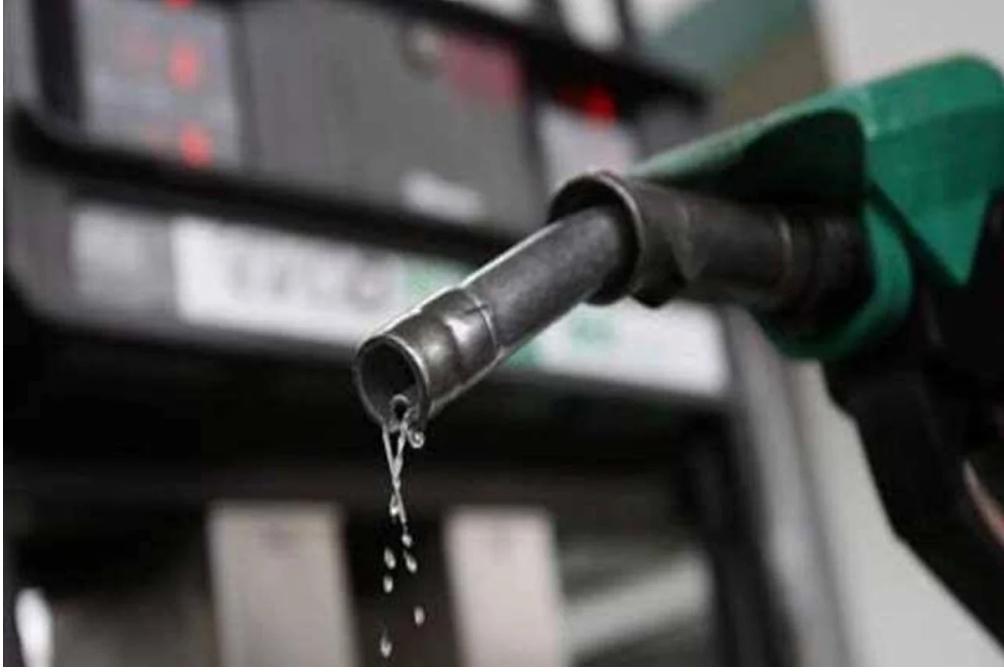
Petrol and diesel prices have risen across several parts of Nigeria following an upward adjustment in the wholesale gantry price of Automotive Gas Oil (AGO) by Dangote Petroleum Refinery.
In Lagos and Ogun States, petrol prices at major filling stations rose to between N1,285 and N1,330 per litre, from about N1,200–N1,220 recorded over the previous weekend. Diesel also climbed sharply to about N1,800 per litre, compared with N1,600 previously.
The latest development followed Dangote Refinery’s decision to increase its diesel gantry price from N1,670 to N1,750 per litre, representing an N80 increase effective September 1. The new wholesale price is about N50 above the prevailing average depot price in Lagos, putting pressure on depot operators and marketers to adjust their selling prices.
Several Lagos depot operators reportedly suspended diesel sales temporarily as they reassessed their prices and replacement costs. In a customer communication, Dangote Refinery directed customers to return all Authority to Collect (ATC) documents for repricing, after which new volume contracts would be issued to resume loading.
The refinery had also adjusted petrol prices three times within eight days in August, attributing the changes to fluctuations in crude oil procurement costs and the time between crude purchase and processing.
The impact has spread beyond Lagos. Kaduna recorded petrol prices of about N1,350 per litre, while Akure saw prices rise to around N1,300 per litre, up from N1,250 at some stations earlier in the day.
In Abuja, NNPCL retail stations increased petrol from N1,270 to N1,345 per litre, while independent marketers sold between N1,350 and N1,370. MRS outlets in New Nyanya and AYA sold between N1,300 and N1,310 per litre.
Petrol prices in Jos ranged between N1,280 and N1,380, with some stations selling at N1,400 and others reportedly shutting temporarily. In Kano, prices were significantly higher, ranging from N1,650 to N1,800 per litre, while black-market sellers offered four litres for about N6,800, equivalent to N1,700 per litre.
The increases have triggered concerns among motorists and transport operators over the likely impact on transportation fares and the cost of goods and services.
Meanwhile, Dangote Petroleum Refinery and Petrochemicals has threatened to restrict petrol sales to major marketers that continue importing PMS. The refinery cited concerns over product quality, market transparency and the alleged blending of imported petrol with products purchased from its refinery.
Sources familiar with the refinery’s position said Dangote was particularly concerned that imported PMS of uncertain quality could be mixed with its products, making it difficult to distinguish between fuel supplied directly by the refinery and products handled by third parties.
The refinery also raised concerns over the availability of adequate laboratory and quality-control infrastructure to independently verify imported petroleum products.
The development comes as Nigeria’s downstream oil sector shifts from heavy reliance on imported refined products towards increased domestic refining. Dangote Refinery, with a stated capacity of 700,000 barrels per day, has become a major supplier of refined petroleum products to Nigeria and international markets.
The United States Energy Information Administration recently identified the refinery as a major factor behind Nigeria’s rising seaborne petroleum product exports. Shipments averaged 561,000 barrels per day in the second quarter of 2026, compared with an annual average of 79,000 barrels per day in 2023.
With marketers now adjusting pump prices in response to higher wholesale costs, motorists across the country face another round of fuel price increases and the possibility of further pressure on transportation and living costs.